We work with organisations, businesses, and communities to make the most of information by improving data collection, access, and understanding.
Each dot is about 25,000 people. Counts are illustrative.
| Region | People | Dots |
|---|---|---|
| Northland | 194,000 | 8 |
| Auckland | 1,656,000 | 66 |
| Waikato | 499,000 | 20 |
| Bay of Plenty | 334,000 | 14 |
| Gisborne | 51,000 | 2 |
| Hawke's Bay | 175,000 | 7 |
| Taranaki | 125,000 | 5 |
| Manawatū-Whanganui | 251,000 | 10 |
| Wellington | 520,000 | 21 |
| Tasman | 57,000 | 2 |
| Nelson | 52,000 | 2 |
| Marlborough | 49,000 | 2 |
| West Coast | 32,000 | 1 |
| Canterbury | 655,000 | 26 |
| Otago | 241,000 | 10 |
| Southland | 100,000 | 4 |


This interactive tool visualises New Zealand's projected demographic changes from 2018 through 2043, providing insights into both total population and voting-age population trends across national and regional levels.
Some of the features include interactive population pyramids, to explore age and gender distributions; an interactive map, to compare demographic trends across regions; and electoral insights, to examine voting-age populations and new voter estimates.


iNZight is a free and accessible statistical visualisation software. Members of the iNZight Analytics team contribute to its development. It was initially designed for New Zealand high schools, allowing students to quickly and easily explore data and understand some statistical ideas (using the companion program VIT). However, iNZight now extends to multivariable graphics, time series, and generalised linear modelling (including modelling of data from complex surveys).

IDI Search is a web app that allows researchers to search for variables that are available in the IDI and, in some cases, metadata about these variables. The app uses data from IDI variables and Data Dictionaries shared with us by Stats NZ. The data are stored in a database which can then be searched using the web app.
IDI Search was developed by Te Rourou Tātaritanga , a research group funded by an MBIE Endevaour Grant (ref 62506 ENDRP).
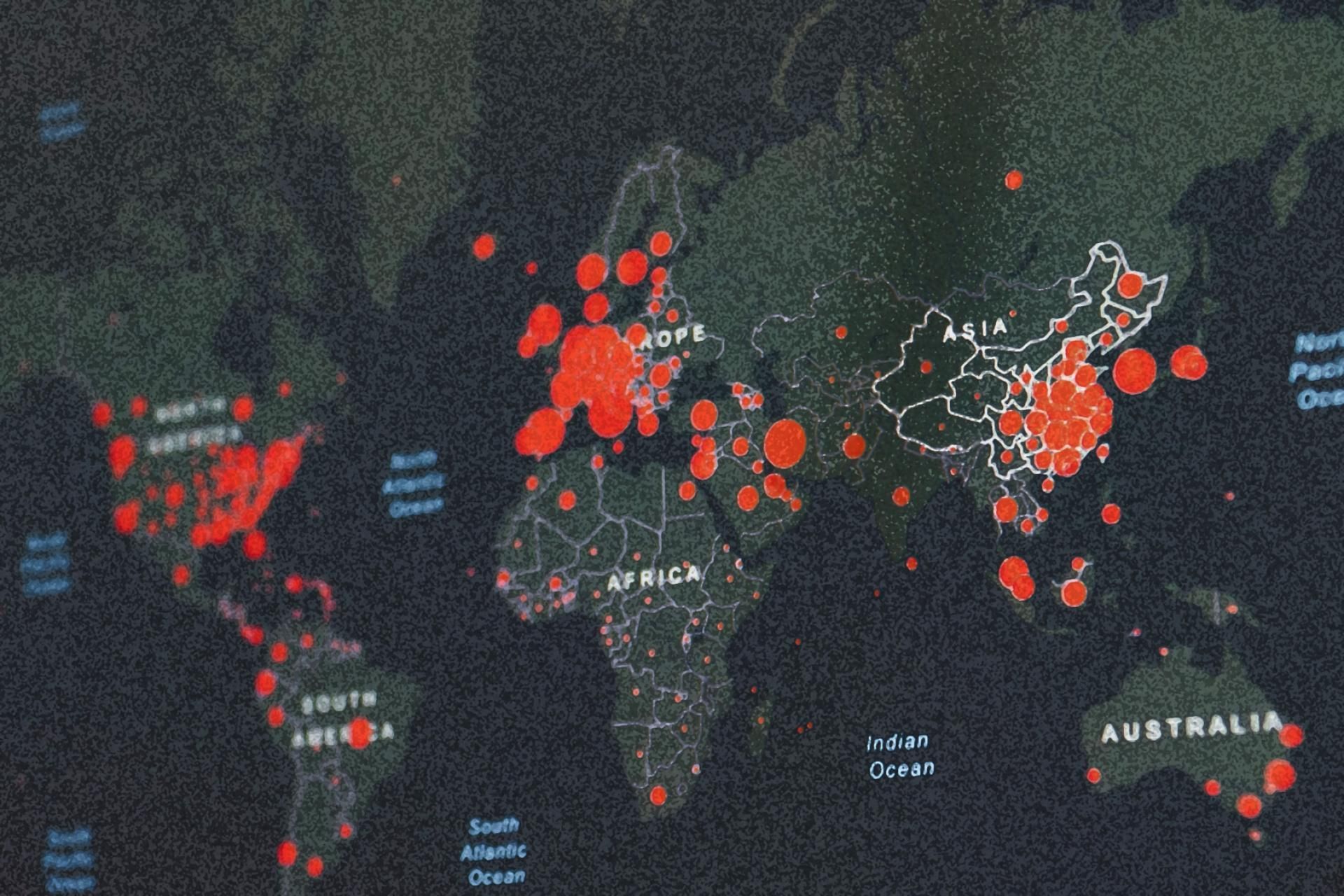
Managing director Andrew Sporle was part of the initial COVID-19 pandemic modelling team with Te Pūnaha Matatini with a particular focus on equity. He helped to create an early tool that looked at regional outcomes by age and ethnicity if the pandemic continued without public health interventions. The team won the 2020 Prime Minister's Science prize for their work.
Since then Andrew has been involved with further COVID-19 projects, including a project that aims create a population based contagion model for New Zealand (led by Dr Dion O'Neale).
Andrew has also been involved in ESR work exploring genetic subtypes, resulting in the first paper to identify on plane transmission of COVID, and a second workstream demonstrating that the most effective vaccine rollout strategy for Aotearoa was one that prioritised the needs of Māori and Pasifika.
Recently, Andrew has been involved in work around improving access to Māori data from the Ministry of Health.

Pacific peoples are often treated as a single group for the purpose of reporting on health outcomes in New Zealand, but this ignores the diversity between specific Pacific ethnic populations.
This report summarises work conducted using Statistics New Zealand’s (Stats NZ) Integrated Data Infrastructure (IDI) to better capture this diversity and enable more accurate reporting on cancer outcomes (all cancers and stomach cancer) among those who identify with “Level 2” Pacific ethnicities: Samoan, Cook Islands Māori, Tongan, Niuean, Tokelauan & Fijian.
This work was supported as part of a Health Research Council (HRC) Programme Grant 17/610 led by Professor Parry Guilford at the University of Otago.
Got an idea for a project? Work with us.
Contact usWe have more than three decades of experience in quantitative, qualitative, and mixed-methods health and social science research, working with communities, policymakers, and businesses.
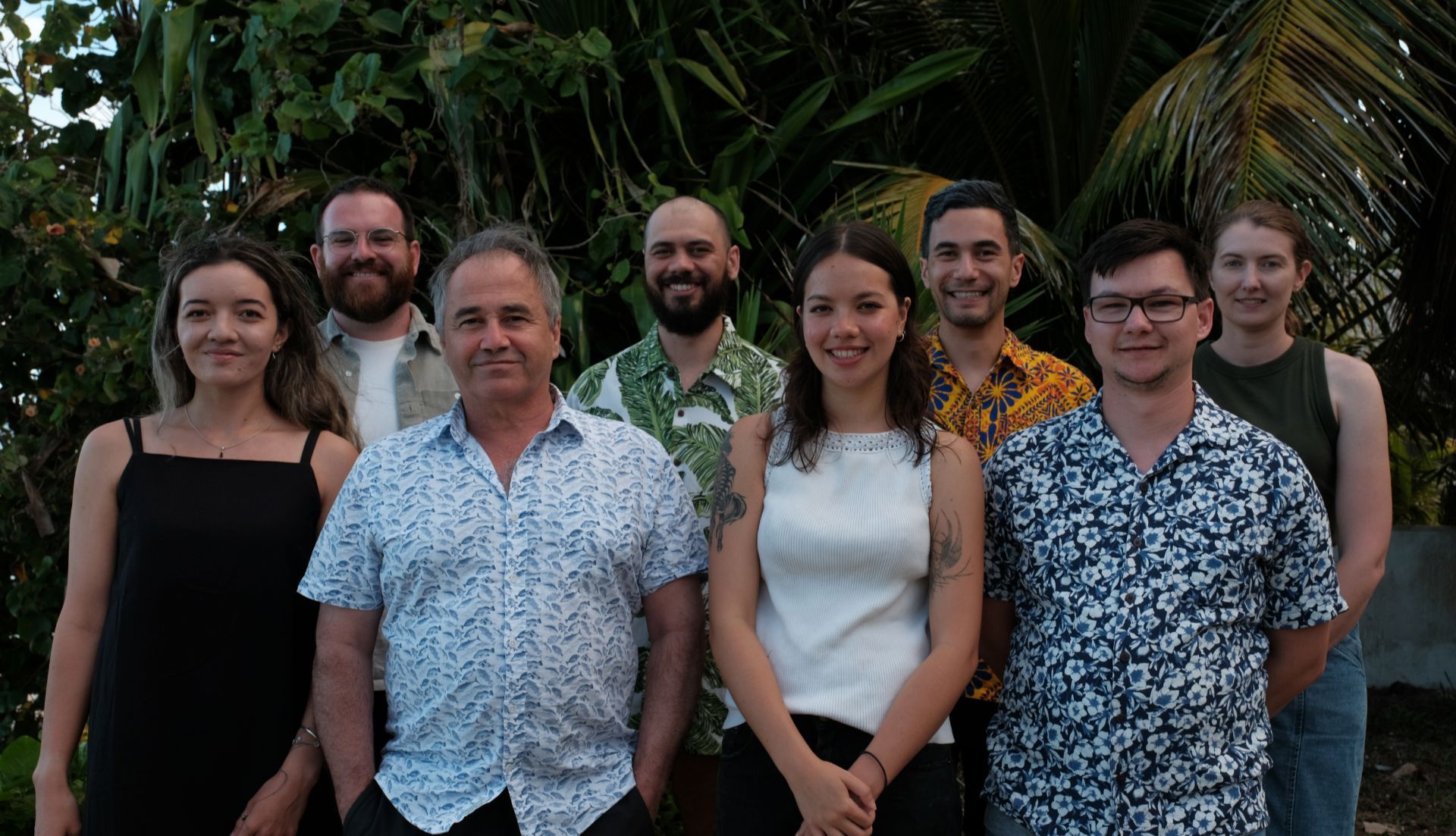
iNZight Analytics works in partnership with government agencies, research organisations, and community groups in Aotearoa New Zealand and around the world.















Want to work with us? Get in touch.
Contact us